
The problem was fragmentation. Airport data lived in a handful of legacy systems that didn't talk to each other, so I led the UX to pull it into one place: inventory, flight maintenance, and incident management with real-time alerts, all in a single view.
The challenge
Emirates' airport operations ran on data scattered across several legacy systems. That meant slow workflows, high maintenance costs, and a lot of manual, error-prone steps. The job was to centralise all of it and turn it into something a distributed operations team could actually act on in real time.
My role
I took the project from problem definition to a working product, following the UI Centre of Excellence's principles.
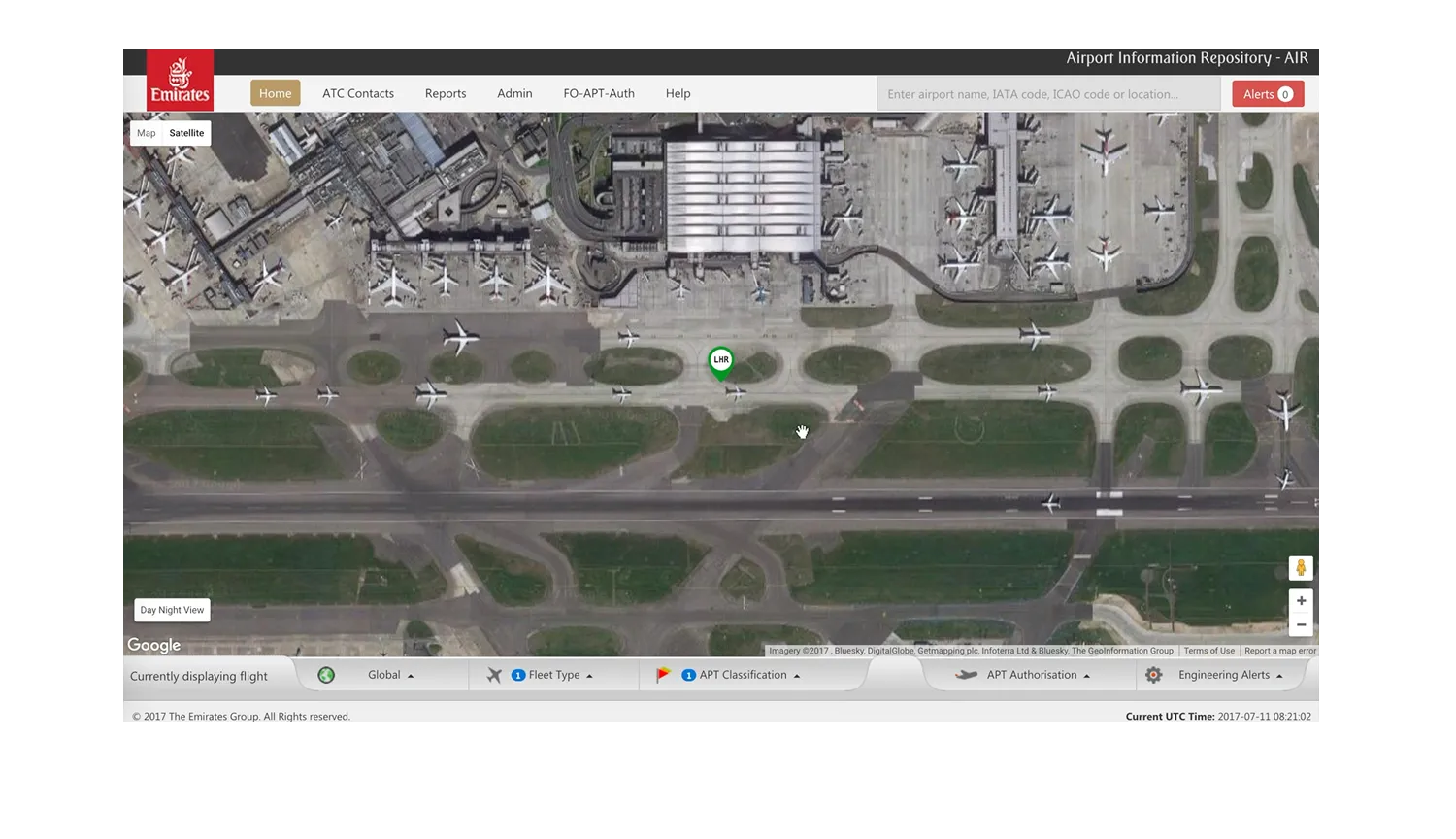
I ran workshops with the operations team to map their existing workflows and pin down what a consolidated portal actually needed to do. Then we ran design sprints to explore solutions, centred on a map-based interface for seeing the status of every airport at a glance.
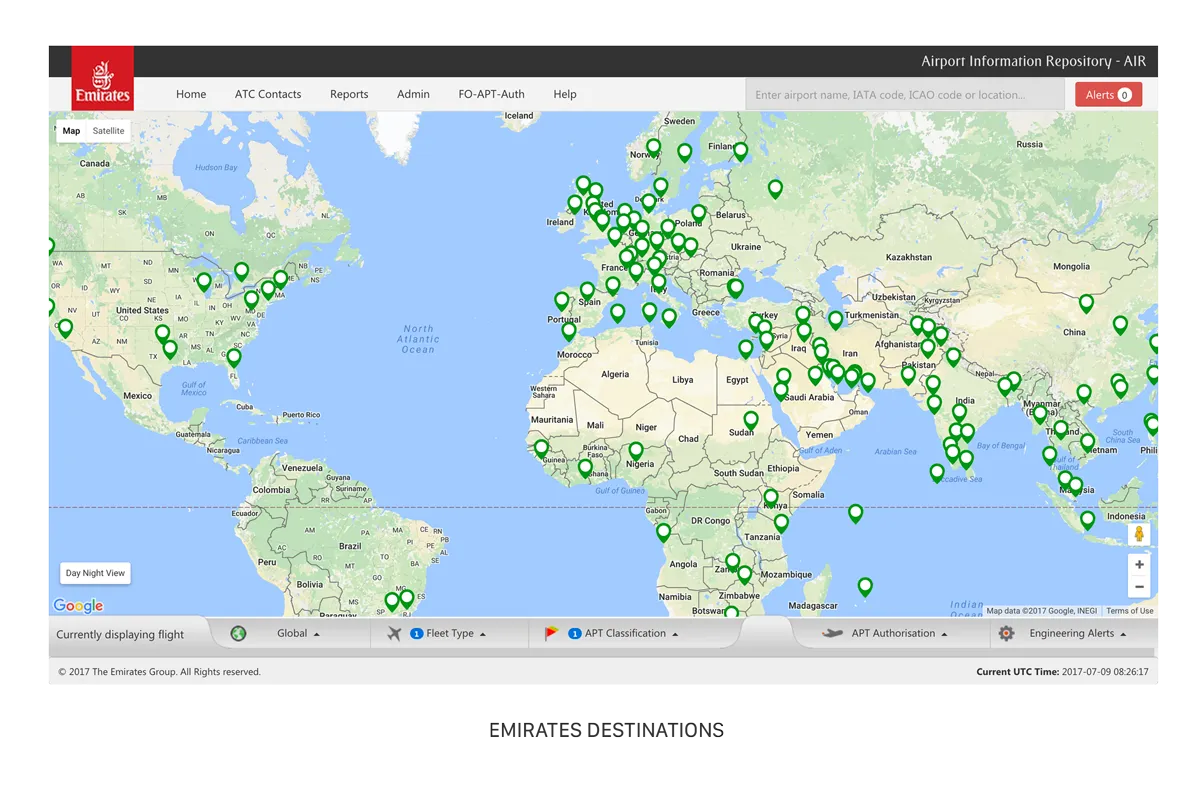
User research with the operations team shaped a modular, card-based UI that kept dense information readable and had room to grow.
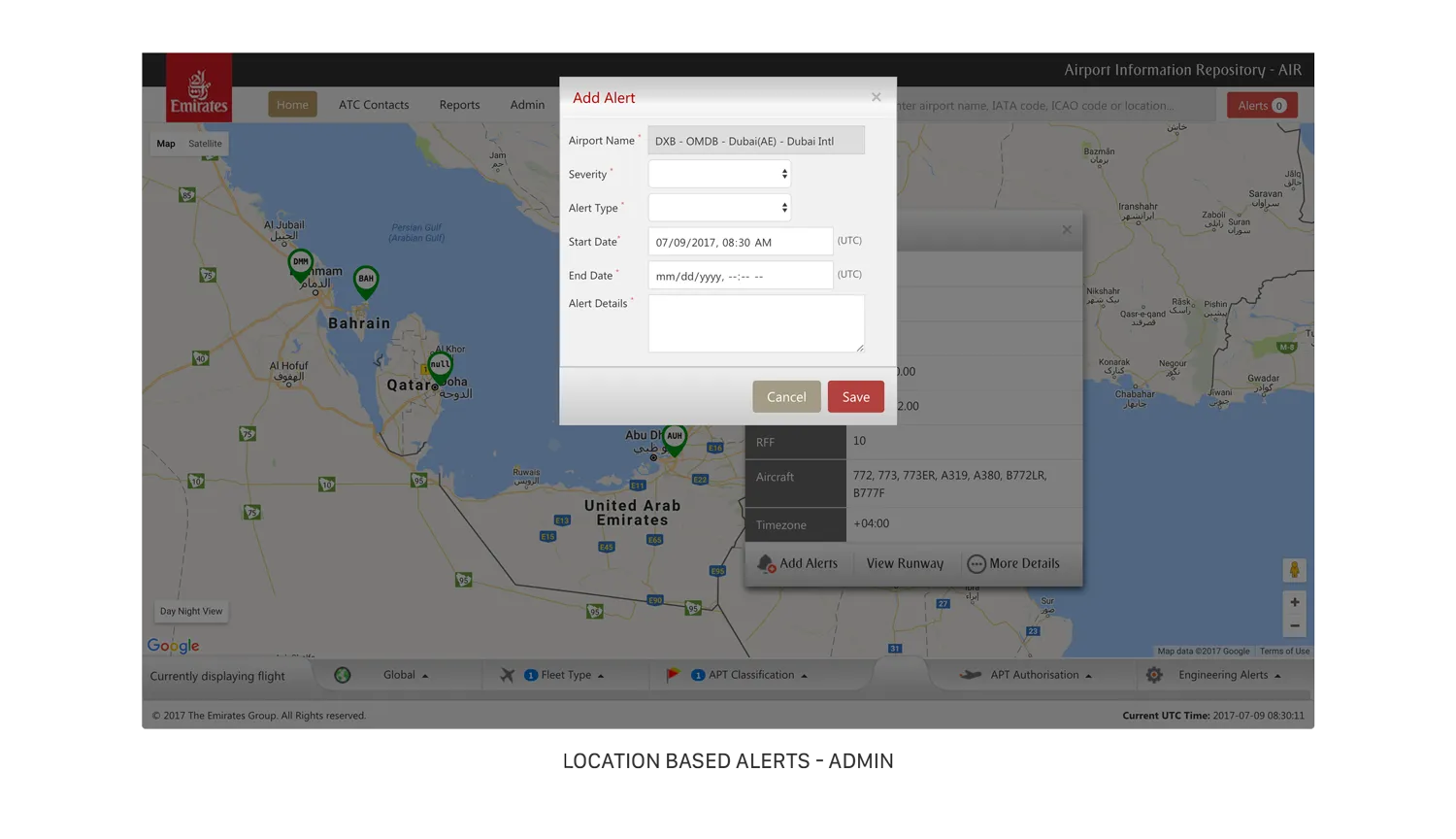
A big part of the work was the alerts system. I designed it to flag disruptions the moment they happened, sorted by severity and routed by role, so the right person saw the right alert without digging for it.
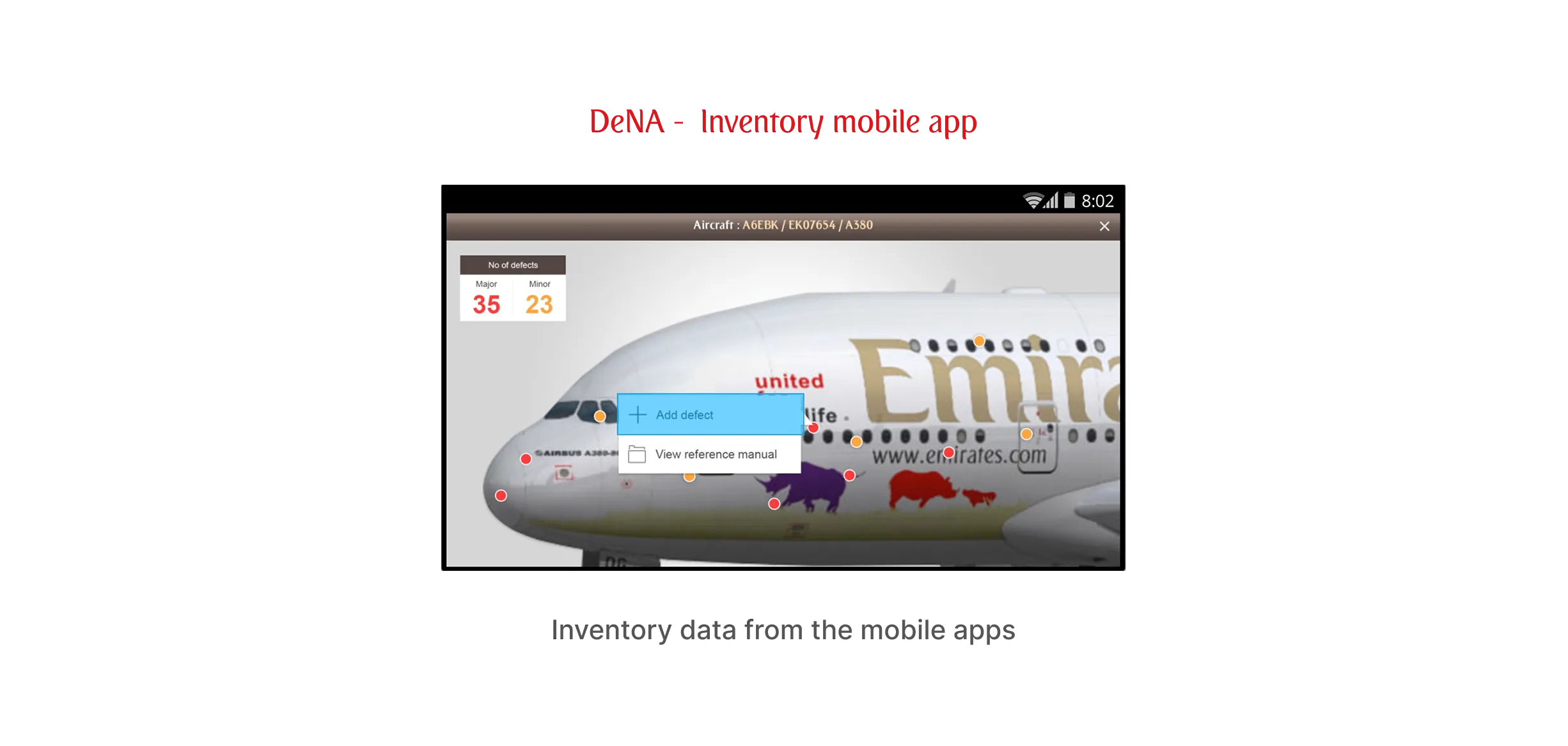
I built the portal's UI on the Emirates Design System, and the components we made carried over to the DeNA (Dnata Emirates Network Application) mobile apps, so operations staff could check critical information away from their desks.
Impact
The portal became part of the operations team's daily routine, and won the 2017 Emirates NAJM Award for Excellence in Aircraft Inventory System Design. It made inventory and flight maintenance faster to run, cut costs, and kept the data current.
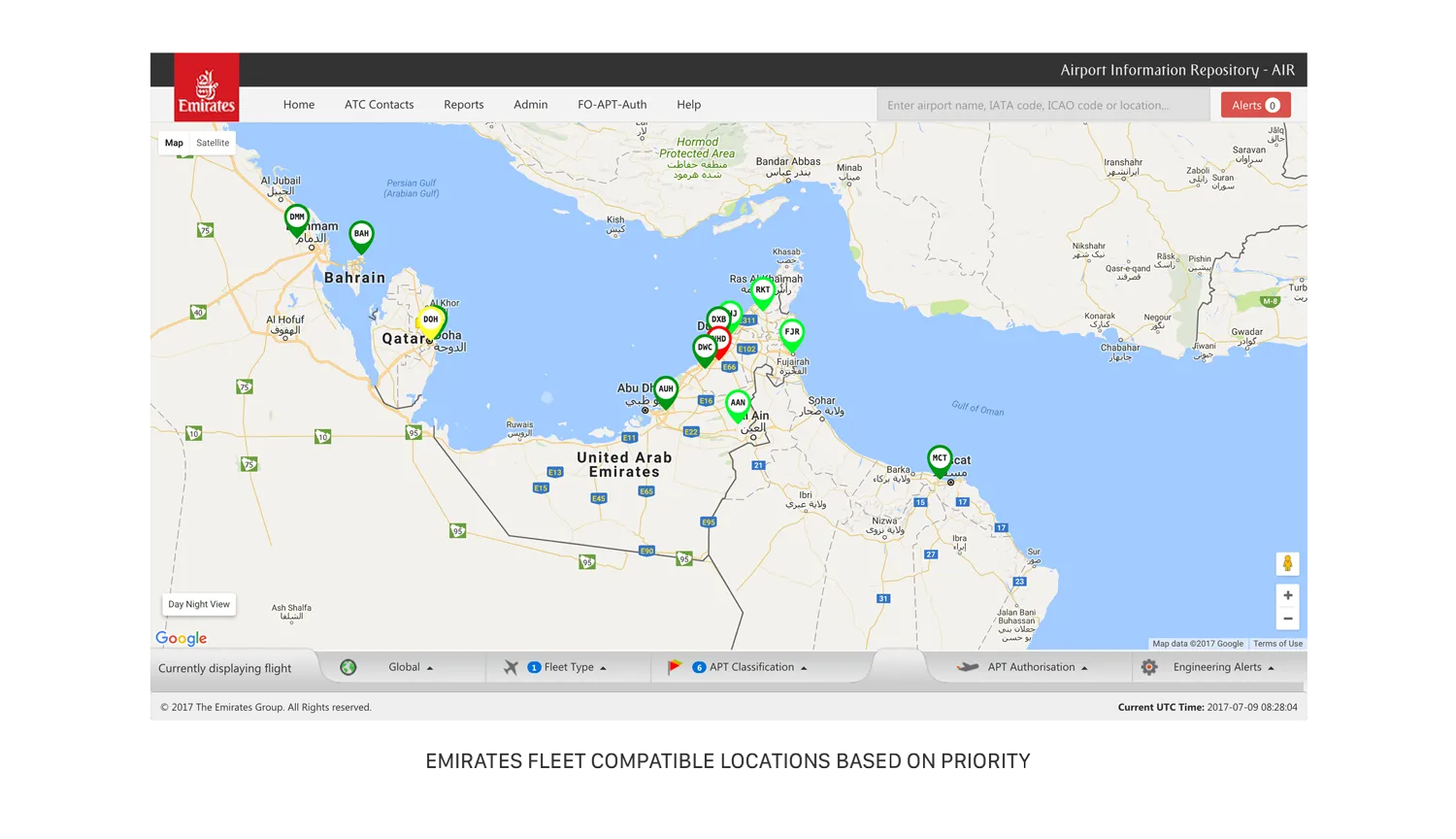
The monitoring and alerts let teams get ahead of disruptions instead of reacting to them, which meant fewer delays.
With one source of truth, the team could trust their data and make better calls, and that eventually showed up in the passenger experience too.